


Choosing the right prospecting tool isn't a solo job
Cold email, LinkedIn, phone, connected CRM: the right solution for you depends on your market, your team size, and your sales cycle. Our experts help you find the one that works for your team and avoid the missteps that cost weeks.


Trusted by +15,000 marketing teams




Prospecting in 2026 takes more than a good email
Inboxes are saturated. Prospects filter everything. Sales teams juggle ten different tools. Here's what makes prospecting harder today than it was five years ago.

A single email no longer cuts it
Your prospects receive twenty pitches a day. Even the best email in the world, sent on its own, gets ignored half the time. Today, email works alongside LinkedIn, phone, and sometimes SMS; in a logical sequence designed to follow up without annoying.
Your data is everywhere except where it should be
An Excel file for the list, another tool for emails, the CRM for meetings. Every silo costs your sales reps time. They re-enter contacts, miss follow-ups, contact the same person twice. That's the tool's job to handle, not theirs.
Visible automation no longer works
Your prospects spot generic templates in two seconds. They know a mass send when they see one, and they don't reply. The right solution lets you keep genuine personalization, even when you're writing to a hundred people a week.
Without a dashboard, you're flying blind
Without clear data, you can't tell which message converts, which channel deserves more time, or when a prospect is ready to talk to a sales rep. Many teams prospect this way for months before figuring out why it isn't working.
An approach designed for your sales reps and marketing teams
We start with how you sell, not with the tool
Before even talking software, we look at how your sales reps work day to day. Where your leads come from. How you qualify them. When you decide to reach out. The solution adapts to your method, not the other way around.
A solution tailored to your team size
A five-person sales team and a fifty-person team don't have the same needs. Depending on your level of structure, we'll guide you toward a simple, standalone solution or a more complete platform connected to your CRM.
A guided start, not a product dropped at your door
The best tool is useless if nobody uses it. Our team helps you build your first campaigns, train your sales reps, and measure the results of your first thirty days. To go further on the method, take a look at our practical guide to techniques that actually work.
What actually makes a difference in the field
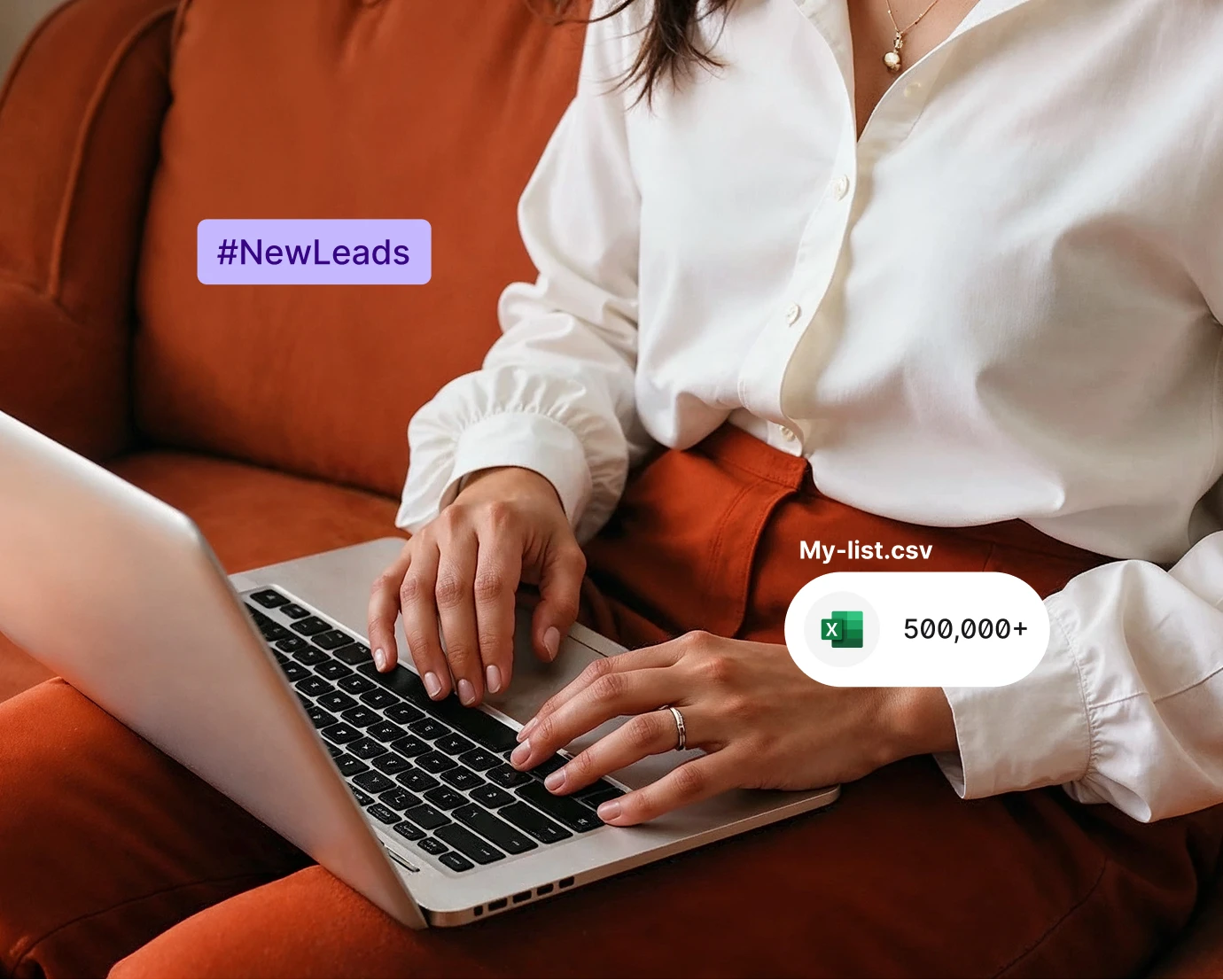
A clean contact list, above all else
Before the first message, there's the list. And that's often where everything is decided. A list of one hundred precisely targeted contacts brings in more than a thousand vague addresses. Good targeting also protects your deliverability, so you don't end up sending into the void.
Multiple channels, in the right order
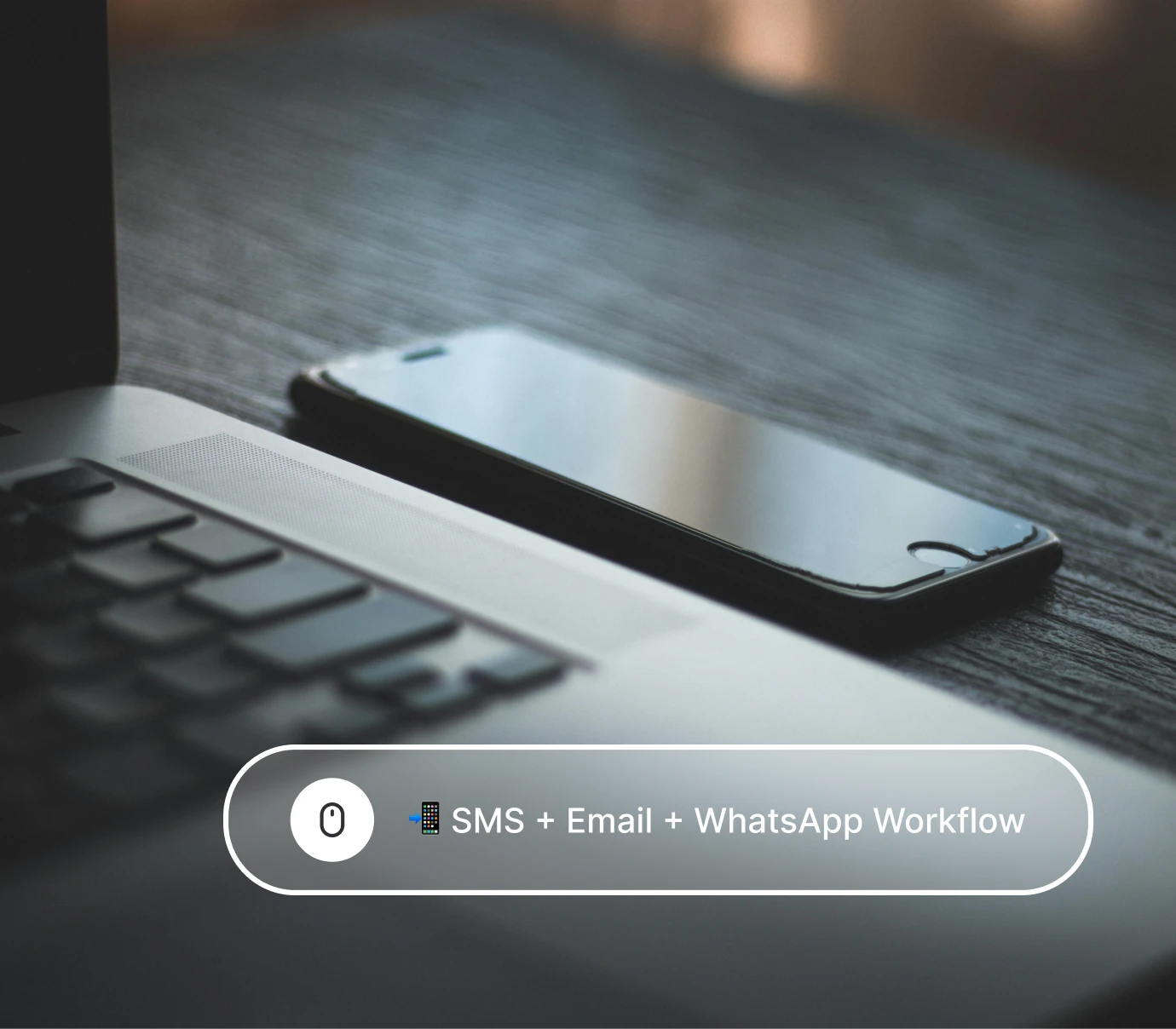
An email to open the conversation, a LinkedIn message a few days later, a phone call at the right moment. Each channel plays a specific role. The tool orchestrates the rhythm, but your team keeps control over the key messages.
Everything flows back into your CRM, no manual entry
When a prospect replies, their status updates automatically. When they book a meeting, the sales rep sees it in their calendar. No more manual entries, no more forgotten follow-ups: your team spends time where it adds value.

Track what works, week after week
The right metrics in the right place
Open rates, reply rates, meetings booked, conversions to qualified opportunities. Tracking the right data lets you quickly cut what isn't working and double down on what does.
Test, compare, adjust
A hook, an email subject line, an entry channel: modern tools let you test multiple versions in parallel and keep what works. The best teams adjust their campaigns every week, not every quarter.
Trusted by fast-growing marketing and sales teams
You may be interested by these features

Automation
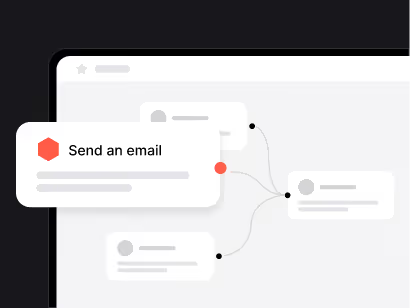
Turn repetitive tasks into efficient workflows

Campaigns
Reach your audience everywhere with multichannel campaigns

Studio
Personalize your messages on every channel

Data
Make informed decisions based on reliable data
Stop guessing, start prospecting with confidence
Find the right combination of tools and methods adapted to your team, your market, and your sales cycle. Let's discuss your project.

Frequently Asked Questions
What's the best sales prospecting software?
The honest answer: there isn't just one. A team of three SDRs with a short cycle doesn't have the same needs as a forty-person Sales department working on complex accounts. The right software covers a wide range, from standalone cold email tools to multichannel platforms connected to a CRM. The best tool for you is the one that fits your current method, not the one ranking first on Google. That's exactly what the meeting with our experts is for.
What tools are used for sales prospecting?
They fall into four main families. Sourcing and enrichment tools, which build your prospect lists. Sending tools, which handle email and multichannel sequences. CRMs, which centralize interaction history and opportunities. Reporting tools, which measure what happens at each stage. A complete approach covers all four, but few teams need everything from day one.
Is Positive User a prospecting software?
Positive User is a marketing automation, CRM, and customer engagement platform. For purely outbound needs like high-volume cold email or advanced multichannel sales, our experts will point you to the right solution within our ecosystem. The meeting is there to understand your specific need before recommending.
What's the best free prospecting tool?
Several tools offer a free plan that's useful to get started: HubSpot Free for CRM, tools like Lemlist or Instantly for cold email with a limited quota. These options are great for testing an approach, but they hit their limits quickly as soon as you want to scale, protect deliverability, or integrate multiple channels. Free is a good starting point, rarely a destination.
What budget should I plan for sales prospecting software?
B2B solutions range from a few dozen euros per user per month (simple standalone tools) to several hundred (multichannel platforms connected to your CRM). The budget depends on your monthly send volume, the number of sales reps, and the level of integration you want with your existing system.
How long until I see results from a prospecting effort?
A properly supported team starts booking qualified meetings within four to six weeks. The first weeks are for fine-tuning targeting, messaging, and rhythm. Months two and three are for optimizing based on real data.
How do I avoid landing in spam?
Four habits to put in place from day one. A dedicated sending domain for prospecting, never your main domain. A gradual warm-up of mailboxes over three to four weeks. A weekly check on your complaint rate and inbox placement. Content that stays personalized even at scale. Deliverability is built day by day, like a brand's reputation.