



Resolve the tickets that build customer loyalty
Most support teams switch between a helpdesk, a chat tool, a knowledge base, and a CRM to answer one ticket. Positive User connects live chat, helpdesk, knowledge base, conversations, and customer data in one engagement platform. Less time hunting for context, more time resolving issues.

Trusted by +15,000 marketing teams




What changes when your customer service team switches to Positive User
Stop trading speed for context
You used to choose between answering fast and answering well. Positive User unifies your customer data so you do both. Every ticket opens with the full 360° profile. A Tuesday afternoon stops being "Can you remind me of your order number?" and becomes "I've already pulled it up."
Stop counting tools, start resolving tickets
Counting tools is not a customer experience. Your agents resolve tickets, not integrations. When helpdesk, chat, knowledge base, and customer data share one source of truth, the work that used to take three tools and a colleague's help takes one platform and a single conversation.
Prove satisfaction impact, not just volume
tickets handled and average response times are inputs, not outcomes. Connect every resolution to CSAT, every channel to retention, every macro to a decision. Your next QBR shouldn't need three exports and a defensive narrative.
Move at the speed your customers actually need
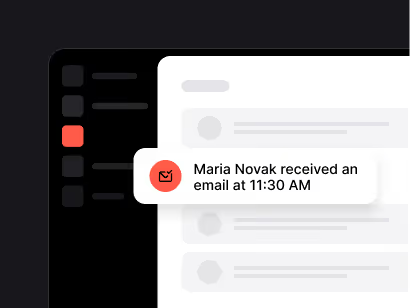
Customers don't open tickets at 9 am sharp. They message at 11 pm, follow up at 7 am, and switch from chat to email mid-conversation without warning. Positive User handles every channel from the same inbox. The response meets the customer.

Free your agents for the work that builds loyalty
The complex tickets, the upset customers, the moments worth turning around. When chatbots and macros handle the routine, your agents finally have bandwidth for the conversations that turn into reviews and renewals.
Everything you need to run great support. Nothing you don't.
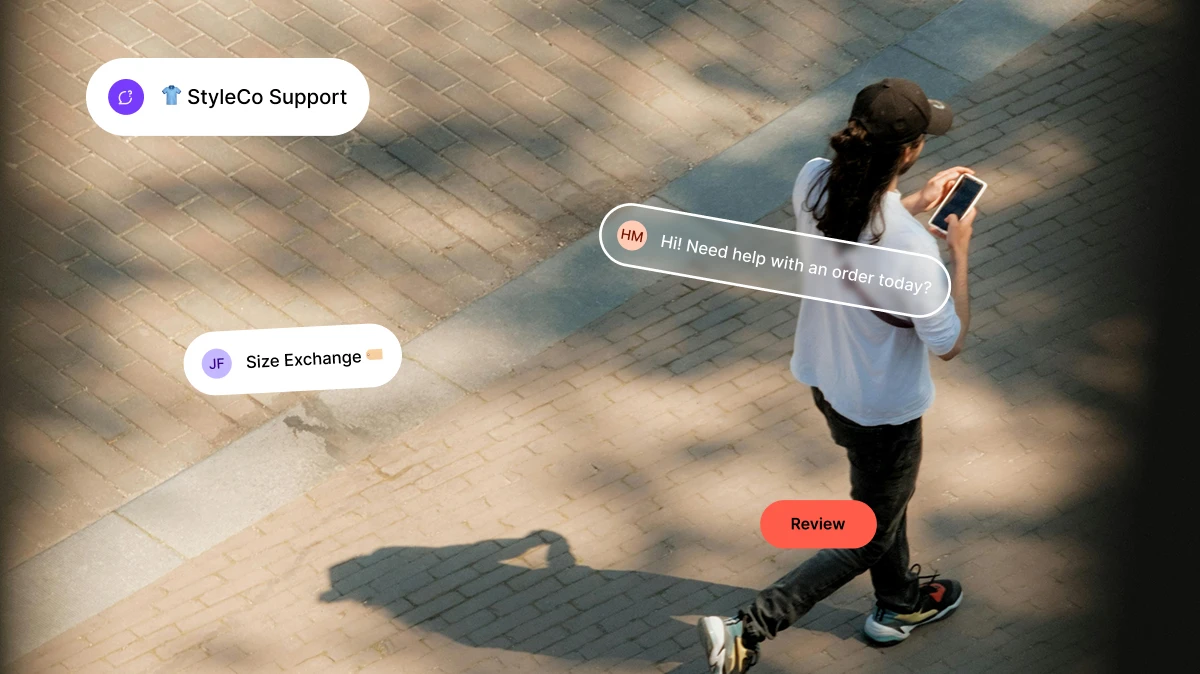
Live Chat
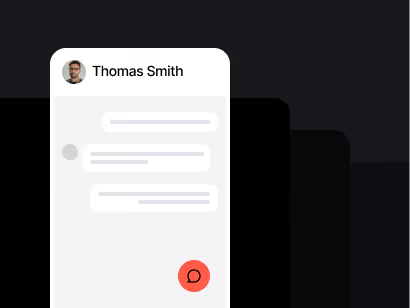
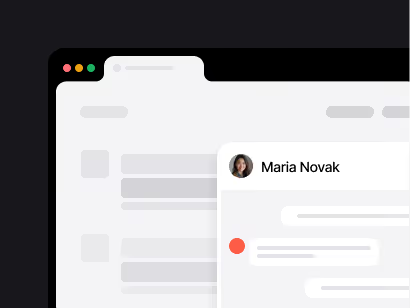
Live chat that doesn't lose context Chat with customers on your site, mobile app, or messaging channels. Agents see every conversation alongside the full customer profile. Routing rules send the right ticket to the right agent every time.
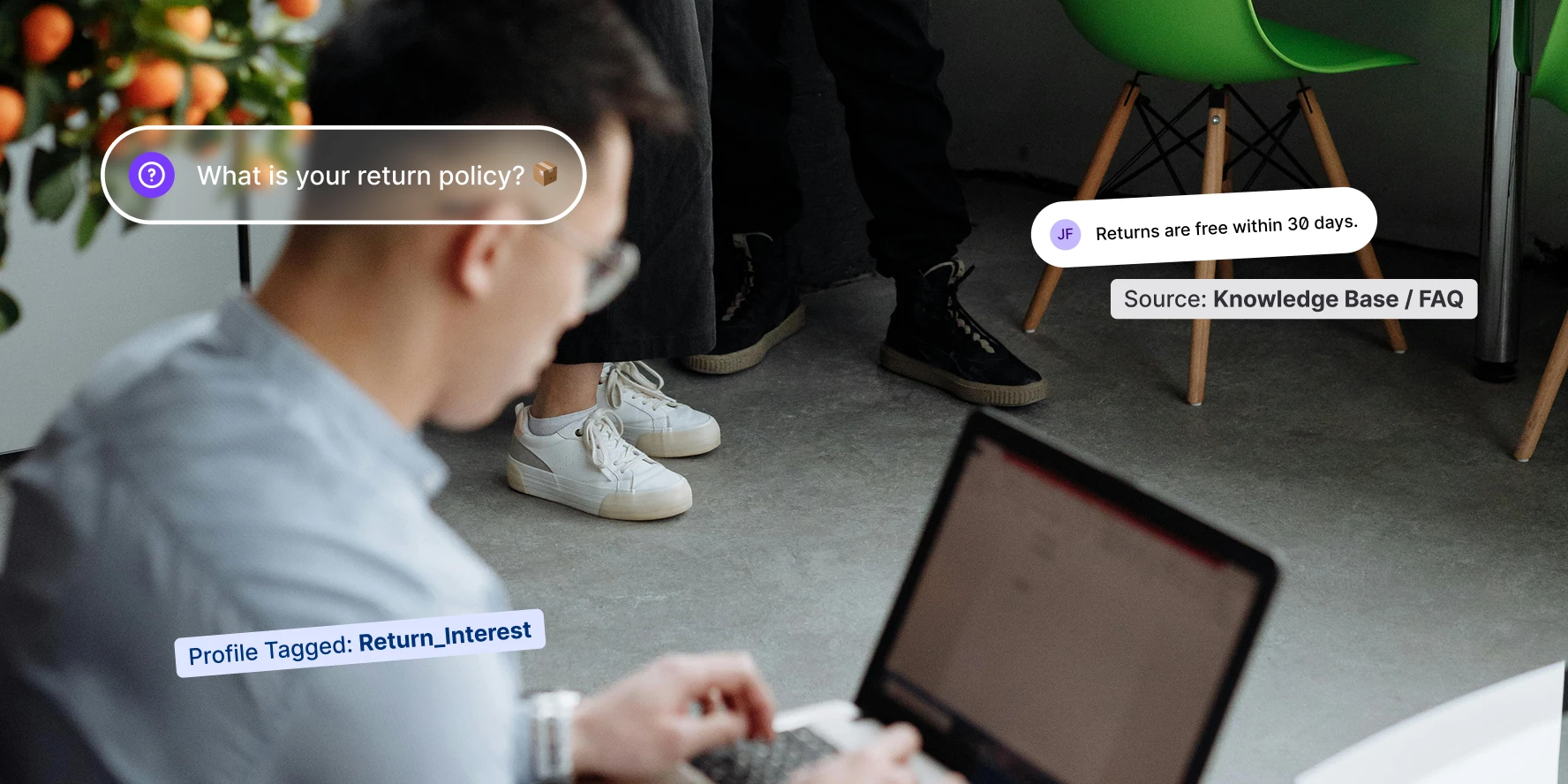
Helpdesk
A helpdesk built around the customer Email, chat, Messenger, and mobile tickets all flow into one shared inbox. Assign, escalate, tag, and resolve from a single workspace. Every channel, one queue.
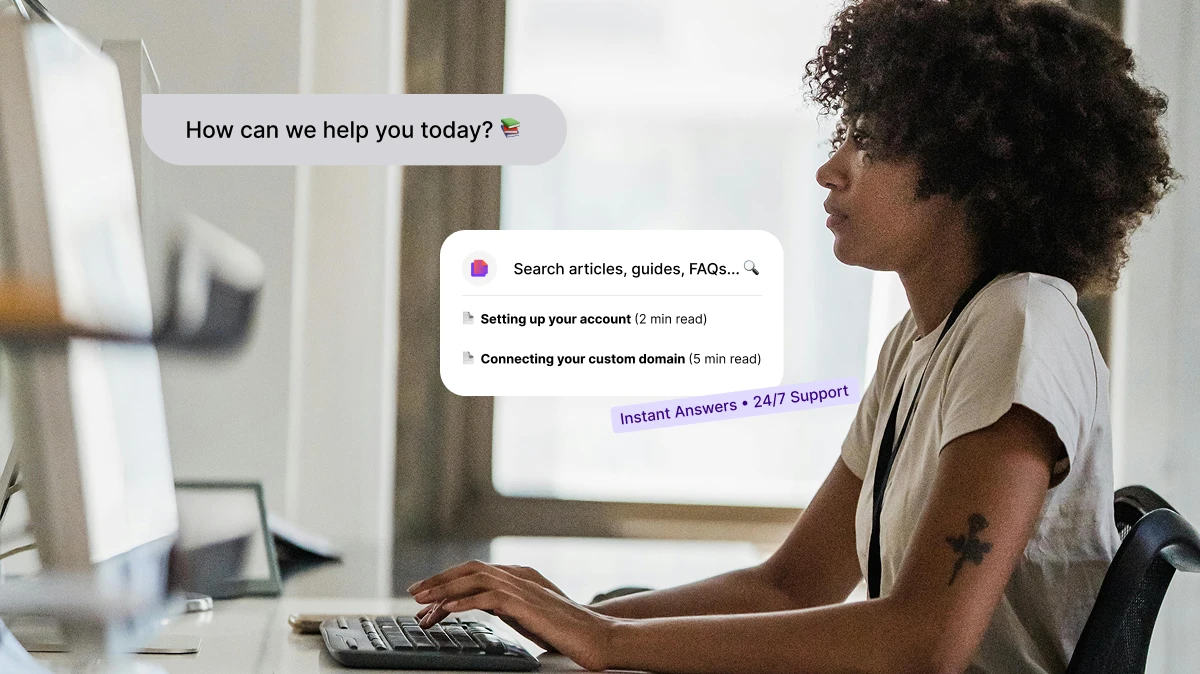
Knowledge Base
Self-service that scales your team Build a public help center with articles, FAQs, and guides. Customers find answers on their own. The same content powers your chatbot, so answers stay consistent everywhere.
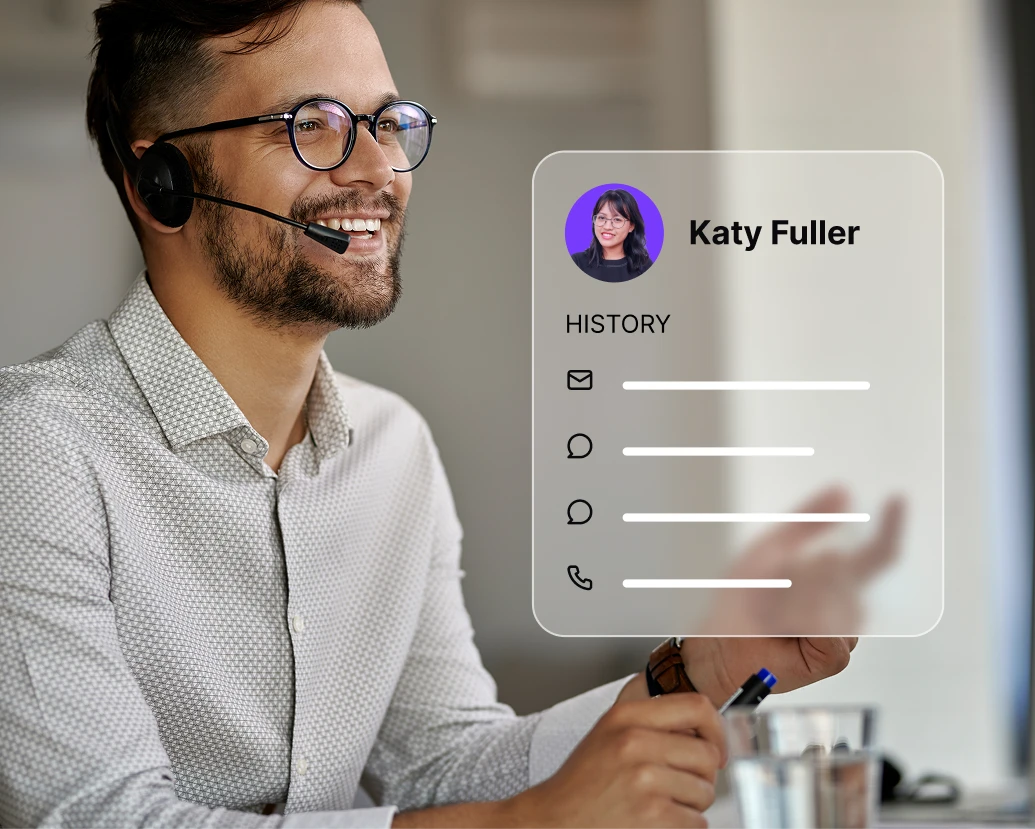
Customer Data Platform
A CDP that makes every conversation smarter Positive User unifies behavioral, transactional, support, and engagement data into a single customer record. Agents resolve with context instead of asking customers to repeat their story.
Support Analytics
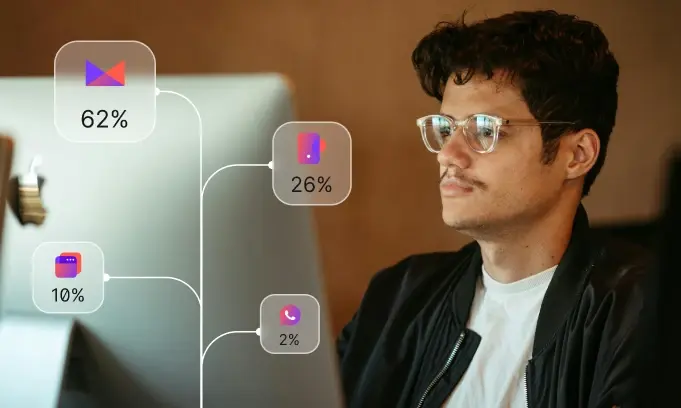
Numbers that connect support to retention Track response times, resolution rates, CSAT, and ticket volume in real time. Filter by channel, agent, or ticket type. When leadership asks where to invest, your team has a clear answer.
Use cases for sales teams
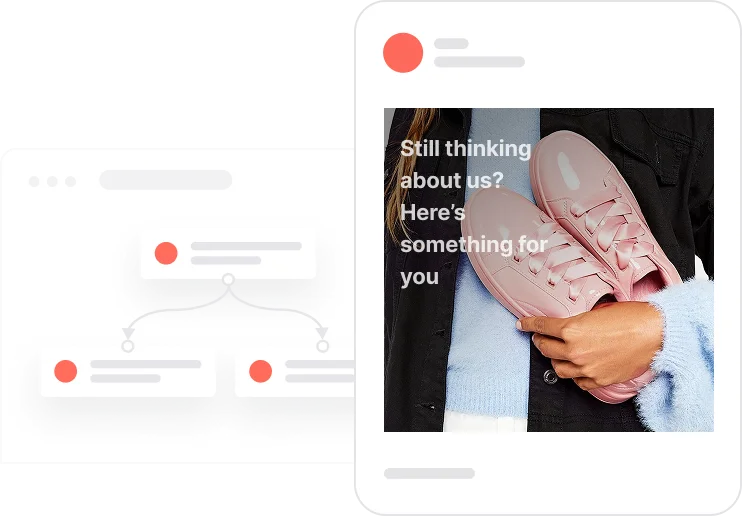
Reactivate quiet leads
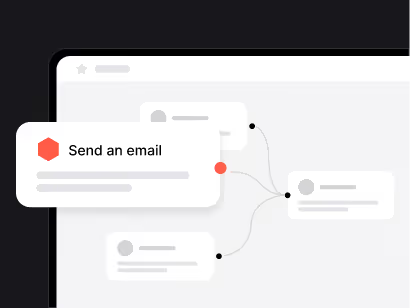
Automated email sequences that reignite inactive leads and keep your database clean.

Celebrate first purchase anniversaries
Personalized thank-you campaigns that strengthen loyalty exactly one year after the first order.
.webp)
Celebrate usage milestones
Personalized multichannel messages that mark meaningful product usage milestones and deepen engagement.

Send birthday discounts
Automated celebrations that build loyalty and drive repeat purchases.

Recover abandoned carts
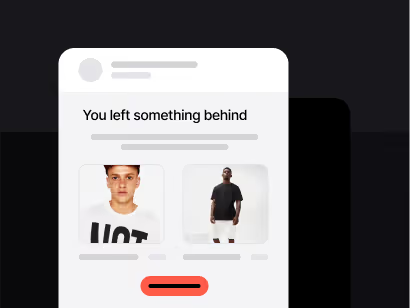
Automated reminders that bring customers back and complete purchases.
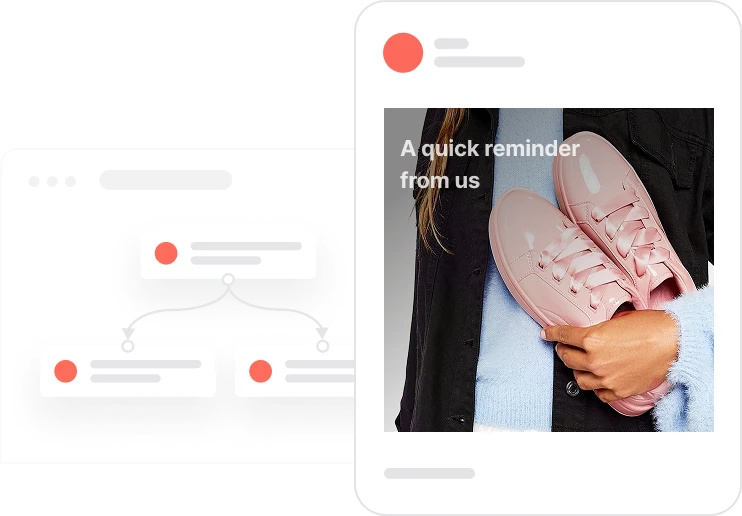
Automate repeat purchases
Intelligent reminders that prompt customers to reorder before running out, boosting lifetime value.
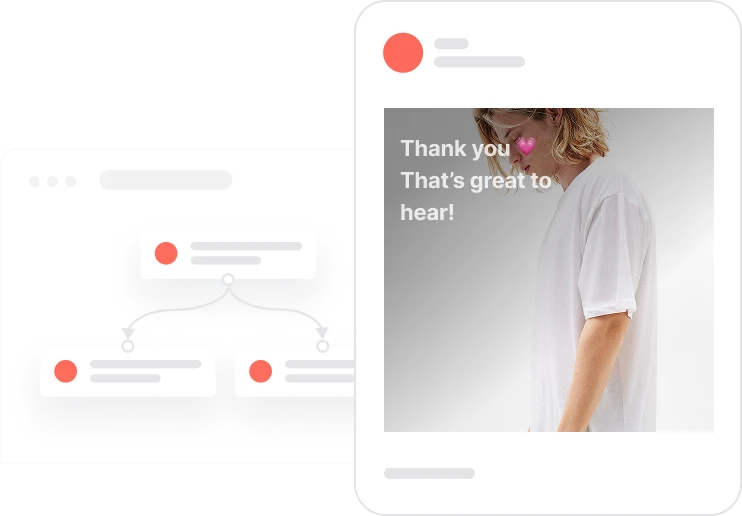
Build trust with customer reviews
Automated requests that collect authentic reviews and keep customers engaged post-purchase.
Trusted by fast-growing marketing and sales teams
Your next ticket shouldn't take three tabs to answer
Customer service teams using Positive User resolve faster with full customer context, automate routine answers with chatbots, and turn support conversations into loyalty moments. Less time switching tools. More time delivering great support.

Frequently Asked Questions
Can support teams answer routine questions automatically?
Yes. Positive User's chatbot handles common questions through a no-code conversation builder. Routine queries get instant answers, complex ones escalate to a human agent with full context. Agents focus on the conversations that need a human, not the ones that don't.
How does the shared inbox work?
Email, live chat, Messenger, and mobile app conversations all flow into a single shared inbox. Agents see every channel in one place, assign tickets to teammates, and respond from the same workspace. No more switching tools to answer one customer.
Will Positive User connect to the tools our support team already uses?
Yes. Positive User connects to the main helpdesk, CRM, and e-commerce tools. For anything not covered natively, an open API and webhooks let you sync ticket data and customer attributes from any system.
Does Positive User include a knowledge base for self-service?
Yes. Build a public help center with articles, FAQs, and guides. Customers find answers on their own, ticket volume drops, and your team focuses on the queries that actually need an agent. The knowledge base also powers the chatbot, so answers stay consistent everywhere.
How do agents see customer history while resolving a ticket?
Every conversation opens with the full 360° customer profile: past purchases, previous tickets, engagement history, and behavioral events. Agents resolve with context instead of asking the customer to repeat their story, and resolution times drop.
Can support and marketing teams work from the same customer data?
Yes. Positive User's built-in CDP unifies behavioral, transactional, and support data. Marketing sees ticket history when sending campaigns, support sees engagement context when handling tickets, and customers get a coherent experience across every interaction.
How does Positive User help measure support performance?
Dashboards track response times, resolution rates, CSAT, and conversation volume in real time. Filter by channel, agent, or ticket type to spot bottlenecks early. Reporting rolls up to managers without manual exports or spreadsheets.
Is Positive User suitable for B2B or B2C support teams?
Both. B2B teams use company profiles, account-level conversations, and multi-stakeholder context. B2C teams use high-volume channels like chat, WhatsApp, and self-service. The platform scales with the support model, not the other way around.